

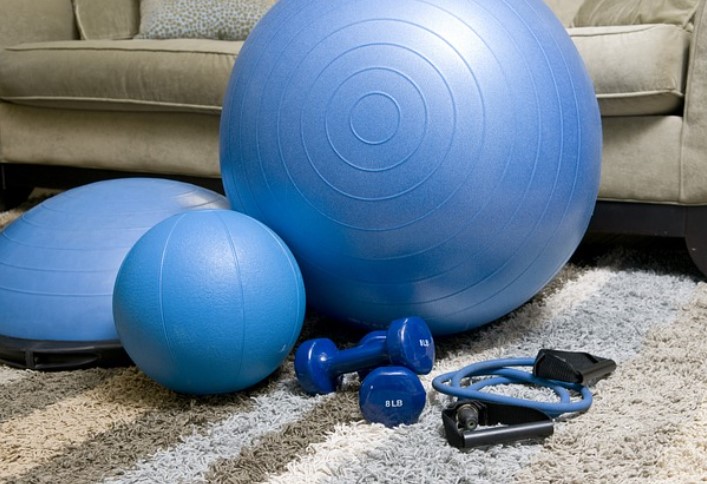
Building a small home gym is an excellent solution for those who want to stay fit without the hassle of a traditional gym. It offers the convenience of working out at home, saving time and money, and providing a comfortable and private environment. However, the challenge lies in creating a functional fitness space within limited square footage. In this article, we’ll show you how to design a small home gym setup that maximises both space and functionality without sacrificing the quality of your workouts.
Why Choose a Small Home Gym Setup?
Before diving into the specifics of setting up your small home gym, let’s discuss the benefits of having a gym at home, especially when space is limited:
- Convenience: There is no commute, no crowded machines, and no time constraints. With a home gym, you can work out on your schedule, whether early in the morning or late at night.
- Privacy: A home gym offers the perfect solution for self-conscious people in public gyms. You can exercise at your own pace without worrying about others.
- Cost-Effective: While there may be an initial investment for equipment, a home gym eliminates the need for expensive gym memberships. Plus, there are no travel costs involved.
- Customisation: You can tailor your gym setup to meet your fitness goals, choosing only the necessary equipment without unnecessary frills.
1. Assess Your Available Space
The first step in setting up a small home gym is assessing your available space. Even in a small apartment or home, there are creative ways to optimise your area for fitness.
Choose the Right Room
Select a room or space that is spacious enough to accommodate your basic gym equipment and allow movement for exercises. Common options include:
- Living Room: If you have an open-plan living space, you can set up a small gym area in the corner.
- Bedroom: A bedroom may be the best choice for a mini gym setup for those with limited space.
- Spare Room: If you have a guest room or an office, these spaces are ideal for turning into a home gym.
- Basement or Garage: If you have a basement or garage, these can be perfect for creating a more expansive gym setup, though you may need to invest in insulation or climate control for comfort.
Measure the Space
To ensure your equipment fits, measure the space carefully. Consider the room’s dimensions and how much space each piece of equipment will need. You must account for the space required to move freely around your equipment.
2. Essential Equipment for a Small Home Gym
A small home gym doesn’t need to be equipped with large machines. You can achieve an effective workout with just a few pieces of equipment that are versatile and space-efficient. Here are the must-haves for your small gym setup:
Dumbbells
Dumbbells are a staple in any gym and are instrumental in small spaces. Adjustable dumbbells allow you to perform various exercises targeting all major muscle groups.
- What to look for: Adjustable dumbbells are space-saving and can be adjusted to various weight increments, making them perfect for beginners and advanced users.
Resistance Bands
Resistance bands are one of the best options for small home gyms because they are compact, affordable, and incredibly versatile. They can be used for strength training, mobility work, or flexibility exercises.
- What to look for: Get a set of resistance bands with varying resistance levels to target different muscle groups.
Yoga Mat
A yoga mat is essential for floor exercises, stretching, yoga, or Pilates. It provides cushioning for your joints and prevents slipping during workouts.
- What to look for: Choose a mat that is thick enough to provide comfort but thin enough for portability. A non-slip surface is essential for safety.
Kettlebells
Kettlebells are another space-saving piece of equipment that can deliver a full-body workout. They are ideal for strength training and cardio exercises, offering dynamic movement patterns like swings, squats, and presses.
- What to look for: A pair of medium-weight kettlebells (e.g., 10-20 pounds) will suit most beginners. As you progress, you can invest in heavier weights.
Pull-up Bar
A pull-up bar is a fantastic addition to a small home gym, especially if you want to focus on upper-body strength. Many pull-up bars are door-mounted and easily installed in most homes without requiring permanent changes.
- What to look for: A sturdy pull-up bar that fits securely in your door frame will allow you to do pull-ups, chin-ups, and other upper-body exercises.
Jump Rope
A jump rope is a simple yet highly effective cardio tool. It takes up very little space and provides a great full-body workout, improving cardiovascular endurance, coordination, and balance.
- What to look for: A durable, adjustable jump rope is all you need for a solid cardio workout at home.
3. Smart Storage Solutions for a Small Gym
Storage is one of the most important considerations when setting up a small home gym. You’ll ensure that your equipment is organised and accessible, without cluttering up your space. Here are some bright, clever ideas:
Wall Hooks and Racks
Wall-mounted hooks or racks can hold dumbbells, resistance bands, jump ropes, and other small equipment. This option keeps your floor space free and your equipment organised.
Storage Bins or Baskets
Use bins or baskets to store smaller items such as resistance bands, yoga blocks, and towels. These can easily slide under a bed, couch, or shelf when not in use.
Under-Bed Storage
If you’re short on space, consider using the area under your bed to store equipment like kettlebells, dumbbells, or a yoga mat. Under-bed storage boxes are available that you can slide out when it’s time. tojustable Shelves
Install adjustable shelves on the wall to store heavier equipment such as kettlebells or dumbbells. This keeps your equipment off the floor and saves space.
4. Designing Your Home Gym for Comfort and Motivation
In addition to functionality, our small home gym must be a motivating and enjoyable environment. Here are a few tips for creating a space that inspires you to work out:
Good Lighting
Bright lighting can make a big difference in creating a welcoming workout space. Consider adding natural light or using soft, bright bulbs to keep the space well-lit if possible. Avoid harsh fluorescent lighting, which can feel too sterile.
Mirrors
Adding a mirror to your small gym helps you check your form while exercising and creates the illusion of a larger space. You can use full-length mirrors or smaller wall mirrors to open up the area.
Music and Entertainment
Having a sound system or Bluetooth speakers can make your workouts more enjoyable. Play motivating music or follow along with workout videos. Adding a TV or tablet for entertainment can keep you engaged during longer workouts.
Ventilation
Good ventilation is essential to keep your small home gym from getting stuffy. Open a window if possible, or use a fan to keep the air flowing and help maintain a comfortable temperature.
5. Maximising Your Small Gym Space
Even with limited space, you can maximise your small home gym setup by using the room efficiently. Here are a few tips to make the most of your space:
- Vertical Space: Use wall-mounted shelves, racks, and hooks to store equipment off the floor and free up space for movement.
- Multi-Use Equipment: Invest in equipment that serves more than one purpose, such as adjustable dumbbells or resistance bands that can be used for various exercises.
- Declutter Regularly: Keep the area clean and tidy by removing unnecessary items and keeping only the essentials in your gym space.
Frequently Asked Questions (FAQS)
What is the best equipment for a small home gym?
The best equipment for a small home gym includes adjustable dumbbells, resistance bands, a yoga mat, kettlebells, and a pull-up bar. These pieces are versatile and space-efficient.
How can I create a home gym with no space?
If you have space, focus on bodyweight exercises like push-ups, squats, and planks. You can also use portable equipment like resistance bands and dumbbells, which occupy minimal room.
How much does setting up a small home gym cost?
Setting up a small home gym can cost anywhere from $100 to $500, depending on your chosen equipment. Resistance bands, dumbbells, and a yoga mat are affordable options, while larger items like kettlebells or a pull-up bar may add to the cost.
Can I use my living room as a home gym?
Yes, your living room can be an excellent home gym. You must clear enough space to accommodate your equipment and ensure the room is well-ventilated and adequately lit.
How can I stay motivated to work out at home?
To stay motivated, create a workout routine that fits your schedule and goals, decorate your gym with inspiring quotes or images, and track your progress. Listening to motivating music or watching fitness videos can also keep you engaged.
Conclusion
A small home gym setup is an excellent way to stay fit and healthy without needing ample space or expensive equipment. You can create a functional gym right in your home by choosing versatile, space-saving equipment and using clever storage solutions. Whether you’re working on strength training, cardio, or flexibility, planning and organisation are key to a successful small home gym. So, get started today and create your ideal fitness space—no matter how small your home may be!